

Ia Rā | Every Day
Tamariki
A special area just for kids!
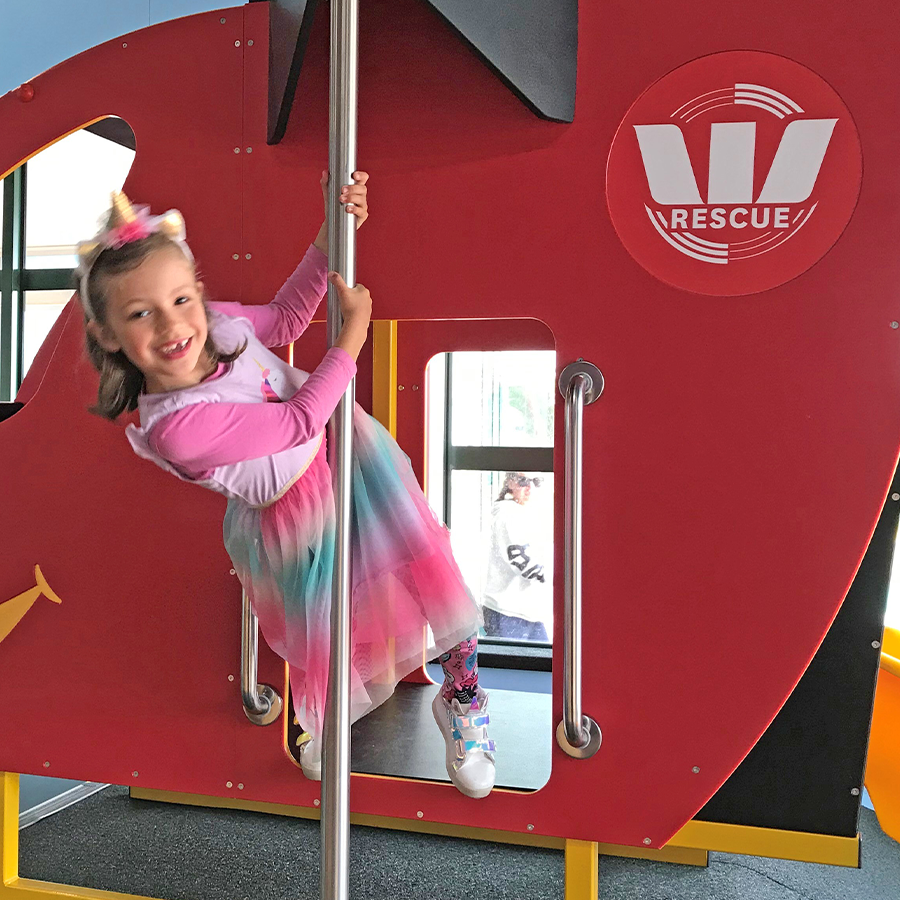
In Tamariki, children find a safe place to explore their world. They will have fun while learning about everyday concepts including cooking and preparing food, charging an electric vehicle, sharing stories in the reading nook, build a wall in the construction zone and even climb aboard the Westpac rescue helicopter.
Specifically created for the under-8s, Tamariki offers endless opportunities to play and learn. (Please note, all children under 14 yrs must be supervised throughout the Museum).
Te Rangi Whenua
Tini whetū ki te rangi, Rangitāne ki te whenua, Rangitāne Tangata Rau
Like the multitude of stars in the sky, so are Rangitāne on the land.
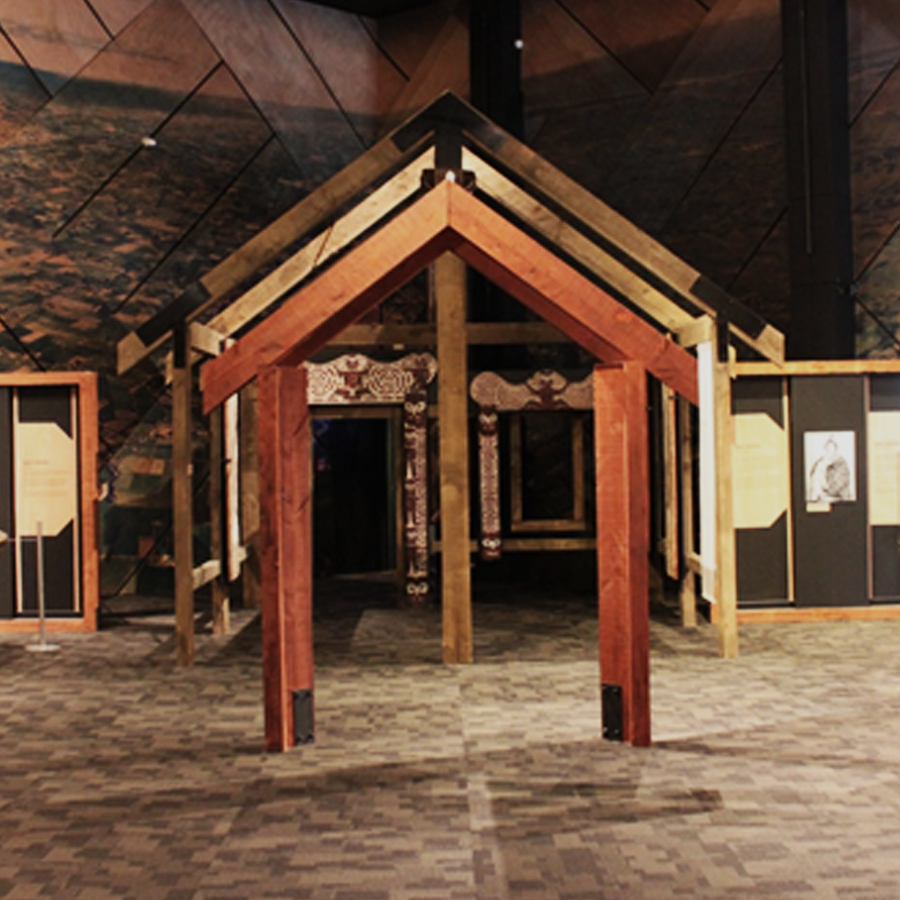
This is a story about Rangitāne, the tāngata whenua of Manawatū. Rangitāne, as one of the first people to this region, have a special connection with this land.
Te Rangi Whenua can be interpreted as a place of enlightement, showing our future and our past, which when brought together gives us the present.
Te Rangi Whenua shows the spiritual link to Ranginui the sky father, and papatūānuku the earth mother ie. the spiritual and the physical essence between the heavens and the earth, and captures everything in between - past, present, future. There is a strong connection to Te Rangimarie and Te marae o Hine both spiritually and physically, again bringing the past, present and future together.
In this special place Rangitāne invite you to share with them their unique heritage and identity.
Manawatū Journeys
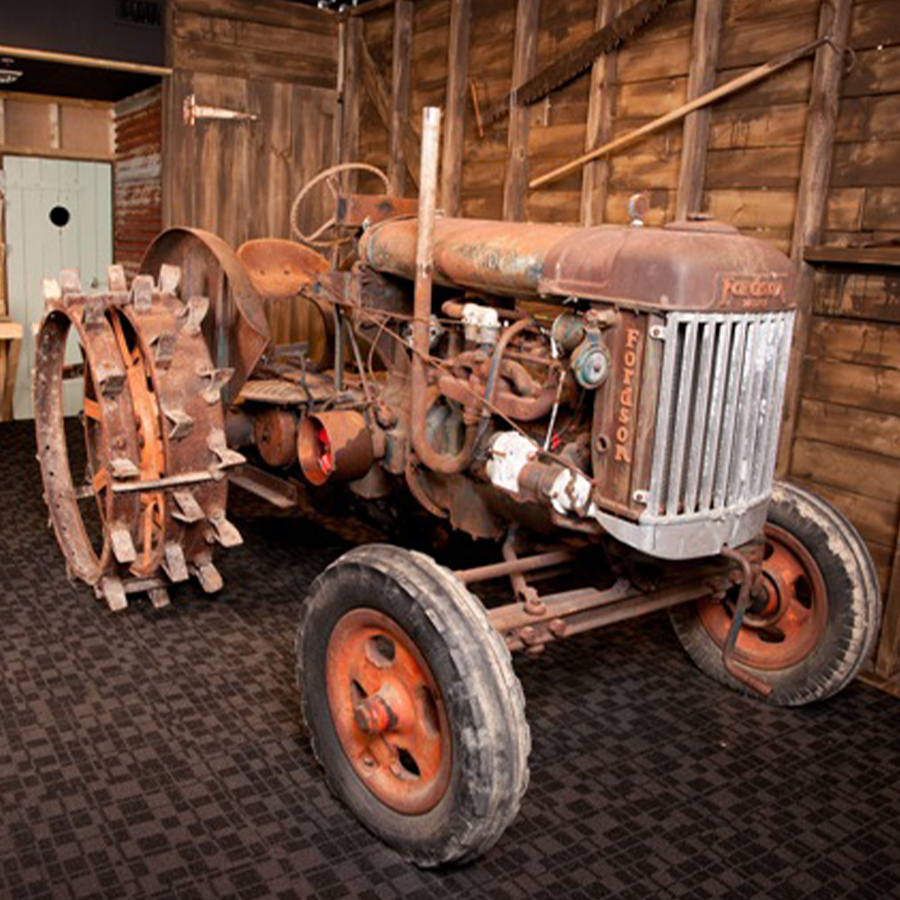
Manawatū Journeys focuses on European settlement from the 1870s to 1970s. It introduces us to people who made their homes in the planned town of Palmerston and contributed to its transformation into the city of Palmerston North. Discover the objects and stories that European migrants brought with them and consider the lasting impact that 19th and 20th century migration had on Manawatū land, life, and identity.
Te Awa
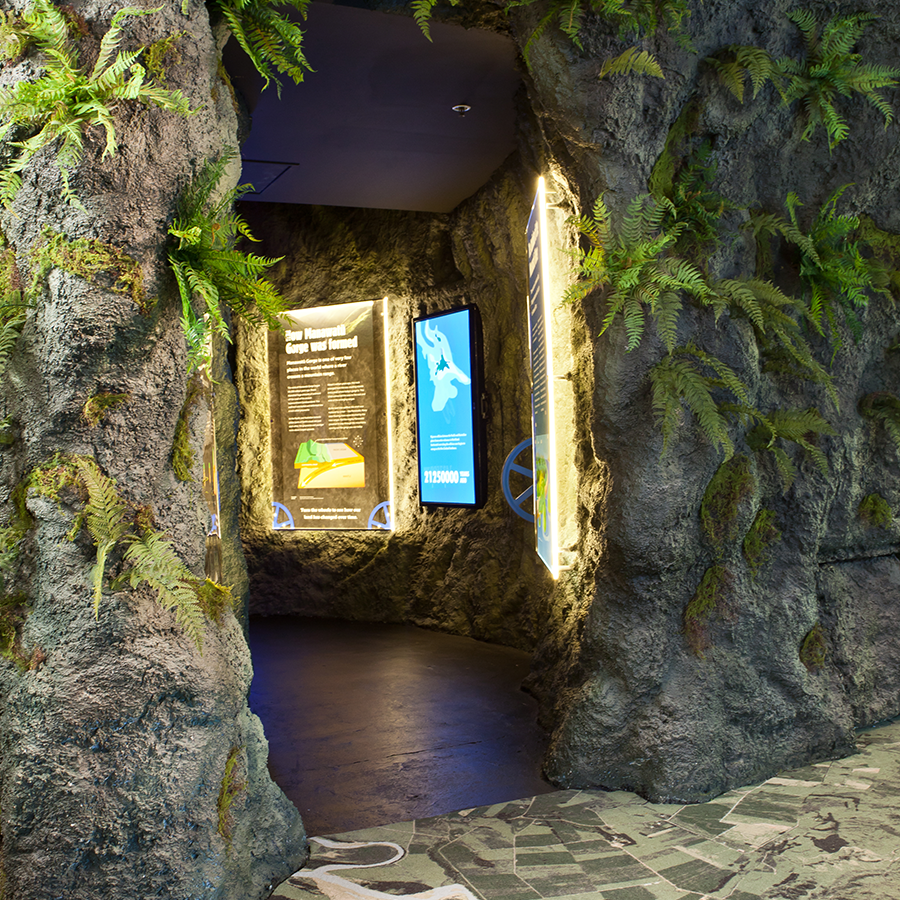
Te Awa provides visitors with facts about our river and challenges the way we view our environment.
Manawatū has long provided for humans, and, in return, humans have had a great impact on the land. As a result, the Manawatū environment that we see around us today is not only the result of the physical and biological elements of the biosphere, but also of the activities of Manawatū people.
The interdependency of all things with our environment is explored through the use of the water cycle, and from this comes an understanding of sustainability.
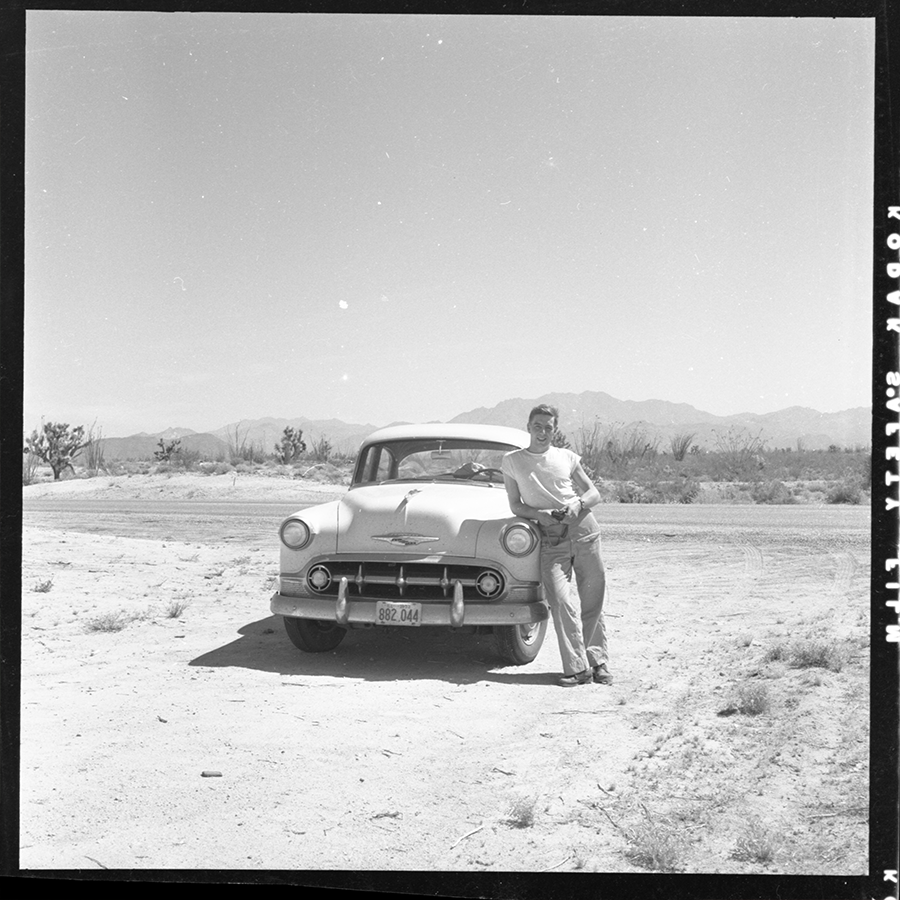
Out in the Field
Peter Bush (1930–2023) was a legendary New Zealand photojournalist with an insatiable desire to discover and record the world. From the 1940s, he travelled around Aotearoa and internationally, photographing almost everything he saw. Upon Peter’s death in 2023, over 300,000 of his photographs came to Te Manawa, where we are now uncovering their histories. Out in the Field is an invitation to delve into the collection, following Peter Bush back through time. Expect to discover photographs of the people, places, and events that made Aotearoa today.
Image: Peter Bush Collection, courtesy of the Bush family
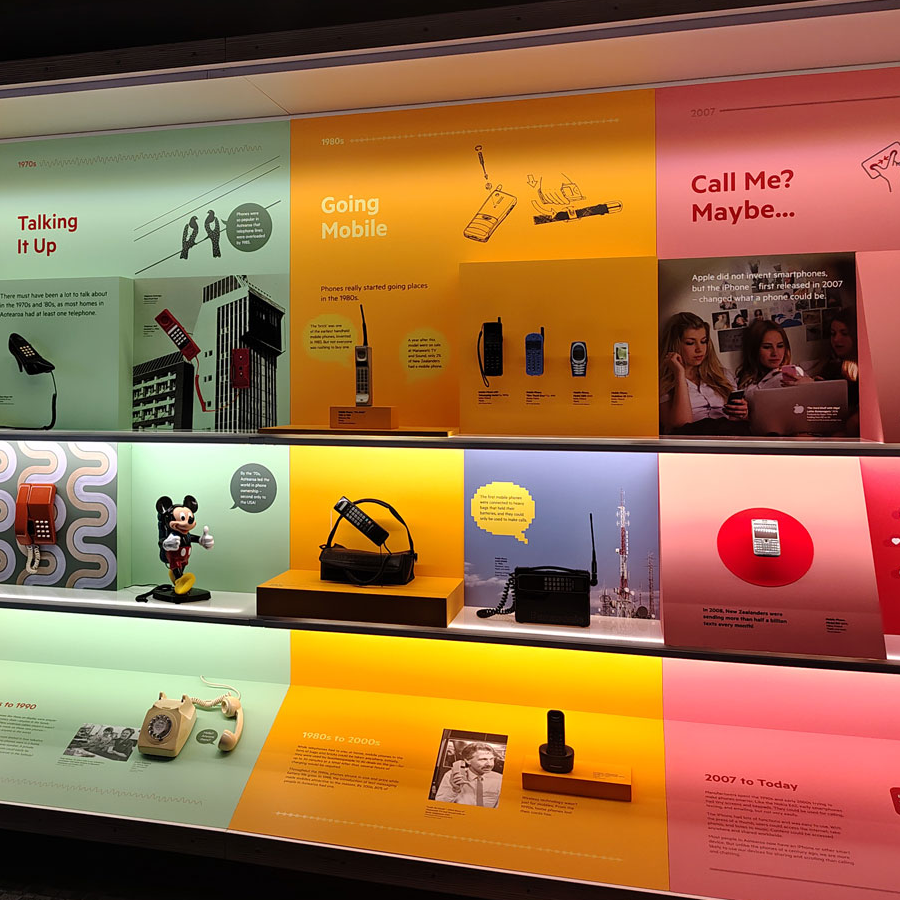
Call me Maybe
The phone as we know it did not arrive fully charged and ready to scroll. Starting with operators and party lines, followed by rotary dials and push-buttons, telephones have changed a lot over the last 150 years. Today, the devices we call ‘phones’ are often used for anything but talking. Call Me, Maybe explores how telephones have changed since they were first introduced in Manawatū, and how our lives have changed with them.